- Home
- Venice Activities
- Venice Itinarary
| 25 Best Venice Itinerary insiders guide
You need the best Venice Itinerary. Because, what if your biggest mistake wasn't missing the Rialto Bridge, but paying the €5 Access Fee on a day you didn't actually need to?
It's no secret that navigating the 118 islands of the Venetian lagoon often feels like a logistical puzzle. You want to see the iconic sights, but you're likely worried about being overcharged for a 30-minute gondola ride or getting lost in the complex web of vaporetto lines.
Finding the best Venice Itinerary shouldn't feel like a chore. I have done the legwork to ensure your trip is completely seamless.
This guide provides an insider's look at how to bypass the crowds at St. Mark's Basilica and locate the best cicchetti in the quiet sestieri for under €3 per plate.
You'll learn exactly how to handle the mandatory entry fees and transport tickets with confidence. I am covering 25 essential experiences that blend world-famous landmarks with the secret corners only locals know, ensuring you leave the city feeling inspired rather than exhausted.
| Key Takeaways
- Learn the strategic timing to experience St. Mark’s Square and the Doge’s Palace without the stress of peak crowds.
- Discover the most authentic Venice itinerary by exploring the distinct personalities of the city’s six sestieri.
- Master the Venetian art of living with and the best way to navigate a traditional bacaro tour like a local.
- Simplify your transit by understanding the vaporetto system and how to secure the best value multi-day passes.
- Stay compliant by learning exactly how to manage the mandatory Venice Access Fee (Contributo di Accesso).
| Must-See Icons: Experiencing St. Mark’s and the Doge’s Palace

Venice Inside recommendations:
Traditional Islands Boat Tour | Premium Skip-The-Line Entrance | Classic Gondola Ride

Piazza San Marco is often called the "drawing room of Europe," a title attributed to Napoleon that still rings true today. This grand square served as the political and religious nerve center of the Venetian Republic for over a millennium.
To appreciate the history and culture of Venice, you need to stand amidst its marble columns and golden spires.
When organizing your Venice itinerary, timing is everything. The square experiences its highest congestion between 10:00 and 16:00 when cruise ship crowds are at their peak. Visit during the early morning or late evening to experience the space with the dignity it deserves.
The Doge's Palace: Beyond the Golden Staircase
The Palazzo Ducale was the residence of the Doge and the seat of Venetian government. While the public rooms are magnificent, the "Secret Itineraries" tour is the definitive choice for history buffs. This specialized route explores the administrative offices, torture chambers, and the high-security prison cells where Giacomo Casanova was held before his 1756 escape.
You'll eventually cross the Bridge of Sighs. While modern myths suggest it's a place for lovers, the name actually refers to the prisoners' final view of the lagoon. To avoid the massive queues, you should book your Doge’s Palace Skip-the-Line Tickets several weeks before your arrival.
Pre-booking your entry is the most effective way to protect your itinerary. Without a reserved time slot, you can expect to stand in line for 90 to 120 minutes during the summer months.
St. Mark's Basilica: Golden Mosaics and Loggia Views
St. Mark's Basilica is a masterpiece of Italo-Byzantine architecture. If you're visiting in the summer, remember the strict dress code. You must cover your shoulders and knees; staff are uncompromising and will turn away visitors regardless of their ticket status.
While entry to the main floor is the primary draw, paying the €5 fee to see the Pala d’Oro is essential. This 10th-century altarpiece features nearly 2,000 emeralds, sapphires, and pearls.
For the best perspective, head up to the Loggia dei Cavalli. The terrace provides an unrivaled view of the Piazza, making it one of the most rewarding Venice itinerary for those seeking the perfect photo of the clock tower and the lagoon beyond.
| Exploring Venice by Sestiere: Moving Beyond the Tourist Core
Venice is a collection of six distinct neighborhoods called sestieri.
Each has a personality that differs significantly from the crowded Piazza San Marco. Exploring these varied districts is among the essential Venice Itinerary 's for those seeking authenticity.
When you step away from the main thoroughfares, the city's pace slows down. If you choose to stay in quieter districts like Cannaregio or Castello, you'll notice prices for a standard espresso can drop from €5,00 near the Basilica to just €1,50 at a neighborhood bar.
Walking between sestieri is the best way to see how Venetians actually live. You'll pass laundry hanging over narrow canals and children playing in hidden squares.
To move between these areas efficiently, one you can do is using the vaporetto water bus system.
A 24-hour transport pass costs €25,00 and allows for unlimited travel. You can find current route maps and schedules through the official Venice tourism information portal. This digital concierge service helps you avoid the confusion of the complex canal networks.
Cannaregio: The Jewish Ghetto and Local Life
The world’s first Jewish Ghetto, established in 1516, sits in the heart of Cannaregio. Visit the five historic synagogues to understand the district's 500 year history. For a lively evening, walk along Fondamenta della Misericordia. This canal-side path is lined with bacari where locals gather for 7:00 PM aperitivos.
Don't miss the Church of Madonna dell’Orto; it houses 10 major works by the master painter Tintoretto, who is buried there.

Dorsoduro: Art, University Vibes, and Sunsets
Dorsoduro serves as the city's artistic soul. The Accademia Gallery showcases Venetian Renaissance masterpieces spanning the 14th to 18th centuries. A short walk away, the Peggy Guggenheim Collection offers world-class modern art inside an unfinished 18th-century palace.
For a perfect end to the day, head to the Zattere promenade. It's the premier spot for a €4,00 gianduiotto gelato while watching the sun set over the Giudecca Canal.
Insider tip: This area is also home to the city's university, meaning bars here offer some of the most affordable venice italy things to do after dark.
San Polo and Santa Croce: Markets and Ancient Alleys
The Rialto Market is most active before 9:00 AM. This is the prime time for food photography before the heavy crowds arrive.
Essential warning: The fish market is closed on Sundays and Mondays, so plan your culinary tour for a Tuesday or Wednesday.
Deep within these winding alleys, you'll find artisanal paper shops and the famous Libreria Acqua Alta. For a quiet break, sit in Campo San Giacomo dell’Orio. This square remains a favorite for local families and offers a glimpse of daily life away from the souvenir stalls.
If you want to master the city's layout before you arrive, check our comprehensive guide to local transport.

| Iconic Water Experiences: Gondolas, Vaporettos, and the Lagoon
The Grand Canal functions as the main artery of this UNESCO World Heritage Site, lined with over 170 historic buildings dating back to the 13th century. It is often called the most beautiful street in the world. Navigating these waterways is one of the most essential Venice Itinerary to understand the city's unique infrastructure.
For daily travel, you'll rely on the vaporetto. ACTV, the local transit authority, operates these water buses on 20 different lines. Always validate your ticket at the electronic reader before boarding to avoid a €50 fine. Stand clear of the boarding gates and allow passengers to exit before you step onto the floating platform. Safety is paramount; keep your hands inside the vessel at all times during docking maneuvers.

The Gondola Debate: Is It Worth the Price?
In 2026, the official daytime rate for a 30-minute gondola ride is €90. After 19:00, the evening rate increases to €110. These prices are fixed per boat, not per person, and each vessel can carry up to five passengers.
To find a quieter experience, avoid the crowded St. Mark’s Basin. Instead, look for gondoliers stationed in the San Polo or Cannaregio districts where the canals are narrow and peaceful.
If you're on a budget, use the traghetto. These are simplified gondolas used by locals to cross the Grand Canal at eight specific points. The crossing takes about two minutes and costs exactly €2 in cash, providing a brief but authentic taste of Venetian tradition.
Island Hopping: Glass, Lace, and Ancient History
Exploring the outer lagoon is one of the best Venice itinerary for those seeking a break from the city center. Murano is the center of the world's glass-blowing industry. You can watch a 15-minute demonstration at factories like Vetreria Artistica Emmedue for a small fee, typically around €5, which allows you to enjoy the craft without the pressure of a high-stakes sales pitch.
Burano is a 45-minute vaporetto ride from Fondamente Nove. It is famous for its vibrant, multi-colored houses and intricate handmade lace.
For a deeper look at the region's origins, visit Torcello. This island was the first to be populated in the lagoon. The Basilica di Santa Maria Assunta, founded in 639 AD, houses stunning Byzantine mosaics that predate the artwork found in St. Mark’s Basilica.
Check for a special tour to these lagoon's island >
| The Venetian Art of Living: Cicchetti and Bacari Culture

Venice doesn't just offer historic sights; it offers a distinct way of eating that defines the local pace of life. Cicchetti are small, savory snacks that serve as the Venetian version of Spanish tapas.
You'll find these displayed behind glass counters in a bacaro, which is a traditional, often wood-paneled wine bar. Ordering a few different pieces allows you to sample the city's flavors without the commitment of a full sit-down meal. Embracing this social ritual is one of the most authentic Venice Itinerary to do.
To eat like a local, you must master the "Bacaro Tour." This involves wandering from one bar to another, ordering a single snack and an ombra. An ombra is a small, 100ml glass of house wine, typically costing between €1.50 and €2.50. The term translates to "shade," originating from the days when wine merchants moved their stalls to follow the shadow of the St. Mark’s Bell Tower to keep the wine cool.
Etiquette is simple: stand at the bar. If you choose to sit at a table, you'll likely pay a service charge, known as a coperto, which can add €2.00 to €4.00 per person to your bill.
Top Spots for an Authentic Aperitivo
The San Polo district, located near the Rialto Market, remains the epicenter of authentic snack culture. Look for hidden gems tucked into narrow calli where locals congregate. You should prioritize trying Sarde in Saor, which consists of fried sardines preserved with onions, pine nuts, and raisins.
Another staple is Baccalà Mantecato, a creamy whipped salted cod served on grilled polenta. These dishes represent the maritime history of the city. If you want a curated list of stops, our Personalized Travel Advice connects you with food tours that bypass the common tourist traps.
Venetian Dining: Avoiding the "Tourist Menu"
Spotting a "tourist trap" is a vital skill for any visitor. Red flags include menus featuring faded photos of pasta or hosts who aggressively invite you inside. Authentic osterias don't need to solicit customers from the street. By 2026, making dinner reservations has become mandatory for any reputable Venice restaurant.
Approximately 85% of top-rated Venetian restaurants are fully booked 48 hours in advance. For a quiet nightcap, head to the Fondamenta della Misericordia in Cannaregio after 21:00. It's a perfect spot to enjoy the evening air away from the primary tourist thoroughfares.
Get expert help planning your Venetian food tour here.
| Navigating Venice: Logistics and Venice Itinerary Tips

Planning a trip to the Lagoon involves more than just picking the right wine bar. To ensure your visit remains a pleasure, you must account for the city's unique logistical framework. When researching Venice itinerary, understanding the local regulations is as important as knowing where to find the best prosecco.
Venice is a fragile ecosystem, and brings specific rules designed to protect its heritage and manage the flow of visitors.
Transportation in the city relies almost entirely on the water. A single 75-minute vaporetto ticket now costs €9,50, which quickly adds up. If you're staying for more than a day, a multi-day pass is the most cost-effective choice.
A 48-hour pass costs €60, while a 72-hour pass is €70. These passes provide unlimited access to the water bus network, including routes to Murano and Burano. Always validate your ticket at the electronic reader before boarding to avoid a €50 fine.
Environmental awareness is also mandatory. Since June 2024, the city has enforced a 25-person limit on walking tour groups and banned the use of loudspeakers. To be a respectful visitor, avoid stopping on bridges to eat and never swim in the canals. These actions help preserve the city's dignity and ensure it remains a living community for its 49,000 residents.
The Venice Access Fee Explained
The Contributo di Accesso is a daily entry fee for day-trippers visiting on designated peak days. In 2026, this fee typically applies to weekends and holidays between April and July. You must visit the official booking portal at cda.ve.it to select your date and pay the €5 fee. After payment, you'll receive a QR code to show at main arrival points like the Santa Lucia train station.
If you've booked a hotel within the historic center, you're exempt from the payment. However, you aren't exempt from the registration. You must still use the portal to request an exemption QR code by providing your accommodation details. Keep this code on your phone; local authorities perform spot checks, and fines for non-compliance range from €50 to €300.
Final Planning Checklist
- Footwear: Pack comfortable, waterproof walking
shoes. Venice has over 400 bridges, and you'll likely walk 10 to 15
kilometers daily.
- Travel Guide: Download our Insider PDF Walking Guide for offline access to maps. It's an essential tool for when GPS signals drop in the narrow calli.
- The "Lost" Rule: Getting lost is the ultimate Venice itinerary you want to experience. Put your phone away for an hour and wander through the Cannaregio or Castello sestieri. You'll find the most authentic cicchetti spots when you stop following the crowds.
Venice is a city that rewards the prepared traveler. By handling these logistics before you arrive, you'll have more time to enjoy the atmosphere and flavors that make this destination unique. It's about traveling with confidence and respect for one of the world's most enchanting cities.
| Plan Your Perfect Venetian Escape

Venice consists of 118 individual islands, and mastering its layout requires more than just a basic map. By, navigating the city's mandatory entry fees and pre-booking iconic sites like St. Mark’s Basilica is essential for a stress-free visit. It's vital to venture into the quieter sestieri and embrace the authentic bacari culture.
Finding the best Venice Itinerary often means stepping away from the crowded Rialto Bridge to discover hidden gems where locals dine.
For my self I almost have over 20 years Venetian travel expertise to simplify your planning process. I'm providing the specific skip-the-line booking links and transport tips needed to navigate the vaporetto system like a pro.
My knowledge ensures you spend your time enjoying the lagoon rather than standing in queues. You don't have to navigate these logistical hurdles alone.
Get the Venice Itinerary Walking PDF Guide
Venice is waiting to reveal its secrets to you. With the right preparation, your journey will be an unforgettable experience filled with history, art, and the perfect glass of prosecco.
| Frequently Asked Questions
What are the absolute must-do things in Venice for first-timers?
Your top Venice itinerary include visiting St. Mark’s Square, touring the Doge’s Palace, and
crossing the Rialto Bridge. You should also dedicate an evening to a
cicchetti crawl through the sestieri of Cannaregio or San Polo.
These activities capture the historic essence of the city. Most visitors find that booking skip-the-line tickets for the Basilica saves at least 60 minutes of waiting during peak season.
How much does a gondola ride cost in Venice in 2026?
A standard 30 minute gondola ride in 2026 costs €90 during the day
and increases to €110 after 19:00. These are official rates set by the
City of Venice; you don't need to negotiate the price with the
gondolier.
Each boat accommodates up to 5 passengers. If you want a longer trip, you'll pay an additional €45 or €55 for every 20 minutes added to your journey.
Do I need to pay the Venice Access Fee if I am staying in a hotel?
You don't pay the €5 Venice Access Fee if you have a confirmed hotel
reservation within the city limits. However, you must still register on
the official portal to obtain a personal QR code for your stay.
This exemption applies to all guests staying in registered accommodations like hotels or B&Bs. Show this code to inspectors at entry points like Santa Lucia station to avoid a fine between €50 and €300.
What is the best way to get from Venice Airport to the city center?
The Alilaguna water bus is the most scenic way to reach the city
center from Marco Polo Airport, costing €15 for a one way ticket. It
takes about 60 to 90 minutes depending on your stop.
For a faster arrival, take the ATVO Express bus to Piazzale Roma for €10. This land bus takes only 20 minutes. From there, you can catch a vaporetto to your specific neighborhood or hotel.

Is a day trip to Murano and Burano worth it?
A day trip to Murano and Burano is worth the effort if you stay in
Venice for at least 3 days. Murano is famous for its 700 year tradition
of glassmaking, while Burano is known for its vibrant, multi colored
houses and handmade lace. You'll spend about 45 minutes on a vaporetto
to reach these islands from the Fondamente Nove stop. It's a refreshing
break from the narrow alleys of the main city.
Can I see Venice in just one day?
You can see the main highlights of Venice in one day if you arrive
early and focus on the San Marco area. However, you'll miss the quiet
charm of the backstreets and the evening atmosphere. If you're limited
to 12 hours, prioritize the Doge’s Palace and a Grand Canal boat tour.
This is one of the most popular venice italy things to do for cruise passengers who have limited time on land.
What should I wear to visit St. Mark’s Basilica?
You must wear clothing that covers both your shoulders and your knees
to enter St. Mark’s Basilica. This rule is strictly enforced by staff
at the entrance. Shorts, miniskirts, and sleeveless tops aren't allowed
inside the church. If you're visiting in summer, carry a light scarf or
shawl in your bag. This allows you to quickly cover up before joining
the queue for the 1,000 year old cathedral.
How do I buy Vaporetto tickets and which pass is best?
Buy vaporetto tickets at ACTV kiosks or through the official AVM
Venezia app to avoid long queues. A single 75 minute ticket costs €9.50,
which is expensive for multiple trips. The 24 hour pass for €25 or the
72 hour pass for €45 offers much better value for most travelers. Always
remember to validate your ticket at the electronic readers before
boarding the water bus to avoid a €50 fine.
You have read about Venice travel guide insider tips. There is enough to explore, as you can see. Please click on the links to explore my site more...
- Save Time with Skip The Line Tickets in Venice >
- Check out these Unique Tours in Venice >
- What are the best Cheap Deals in Venice?
- What to do in Venice?
- Find the 9 secret Venice Attractions
- Best Venice Itinerary insiders guide
- Hidden gems in Venice: Insider Guide
You might like these
Venice Attractions: Hidden Gems: Unforgettable Spots Await!
Venice Attractions Unveiled: Experience the City's Soul with My Top Picks! Dive into the attractions & create memories.
At last Venice Activities on one Page!
Venice Activities: Experience Venice uniquely with Discounted Activities. Join now and save on Unforgettable Experiences!
The Best Skip the Line tickets in Venice, Italy
Skip the line in Venice, Italy's bustling tourist hub, with online tickets or guided tours
Cheap Deals Venice for tours and activities in Venice
Cheap Deals Venice, Discover Venice's Best Deals on Tours and Activities!
Budget-Friendly Tours in Venice with Quality?
Experience Venice's Beauty! Discover my Selection of Affordable Tours in Venice. Enjoy without sacrificing your budget!
What to do in Venice, Italy?
What to do in Venice? Do you want to discover this city. Please find out these most significant sights.
Discover the Best Activities in Venice
Looking for the best activities in Venice? If you want to truly experience Venice, here are some insider recommendations.
Hidden gems in Venice: The Ultimate Insider Guide
Discover what to do in Venice in 2026 with our insider guide. Avoid crowds, find hidden gems in Venice, and navigate the city like a local.




Hi! I’m Rudmer. As a passionate fan of Venice, I keep discovering this magical city with a smile. My motto? “Keep exploring!” ✨ With my experience, I help travelers and groups make their stay in Venice truly unforgettable.
Looking for unique Venice group tours and private experiences? Get in touch, and I can arrange for your group: I
- Exclusive hotels in Venice for groups
- Tailor-made Venice boat transfers
- Private Venice gondola rides
- Unique private concerts in Venice
- Restaurants – from fine dining to casual local spots
Start looking for a cheap place to sleep in Venice
Hi I’m Rudmer. As a passionate fan of Venice, I keep discovering this magical city with a smile. My motto? “Keep exploring!” ✨ With my experience, I help travelers and groups make their stay in Venice truly unforgettable.
Looking for unique Venice group tours and private experiences? Get in touch, and I can arrange for your group: I
- Exclusive hotels in Venice for groups
- Tailor-made Venice boat transfers
- Private Venice gondola rides
- Unique private concerts in Venice
- Restaurants – from fine dining to casual local spots
Recent Articles
-
Flights to Venice Italy: Airports, Airlines & Tips
Sep 14, 26 10:58 AM
 Planning flights to Venice Italy? Compare Marco Polo and Treviso airports, direct flights, airlines, cheaper fares and the best ways to reach Venice.
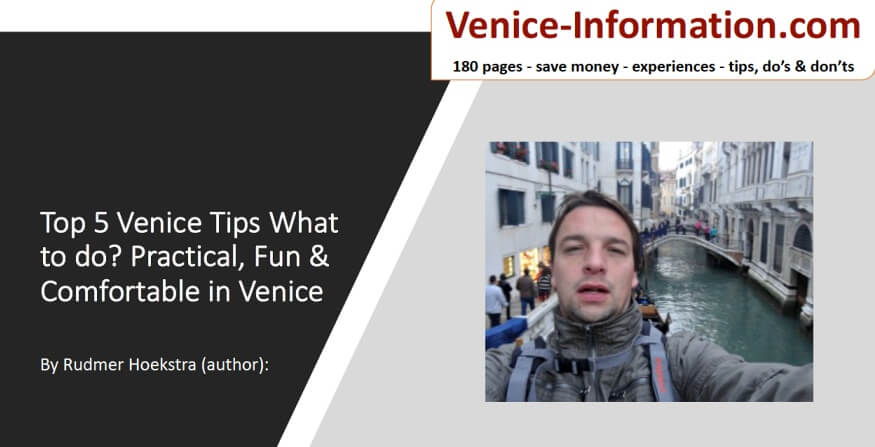
Order our Top 5 Venice mini Guide
Order our Top 5 Venice mini Guide
- What to do in Venice -




Look for a cheap place to sleep in Venice

From Venice airport to Venice…

Many Transfer options. But how to get there…? I can tell you all about it! Finding your way from the airport to Venice > Or buy your ticket via this button:
NEWSLETTER

Be smart and get a cheap parking place when you are visiting Venice Italy! Check it out!
Cheap Parking Venice near the city >
Cheap Parking near the train station (Mestre) >
1st time Venice Information? Start here:
Planning to go to Venice, Italy?
Already in Venice and time for Action?
Copyright © 2010–
About this website - Privacy - Copyright - Disclaimer - Contact - Advertise - Sitemap - Free Newsletter Subscription
By founder & author Rudmer Hoekstra, and also the author of www.NaarVenetie.com
All materials on this website are copyrighted. No part of this site may be used without prior permission for publication in other media. It is prohibited without written consent, and it is not permitted to copy information from this website or disseminate in any form whatsoever.